Why Cheap Commercial Solar Bids Often Cost More Later
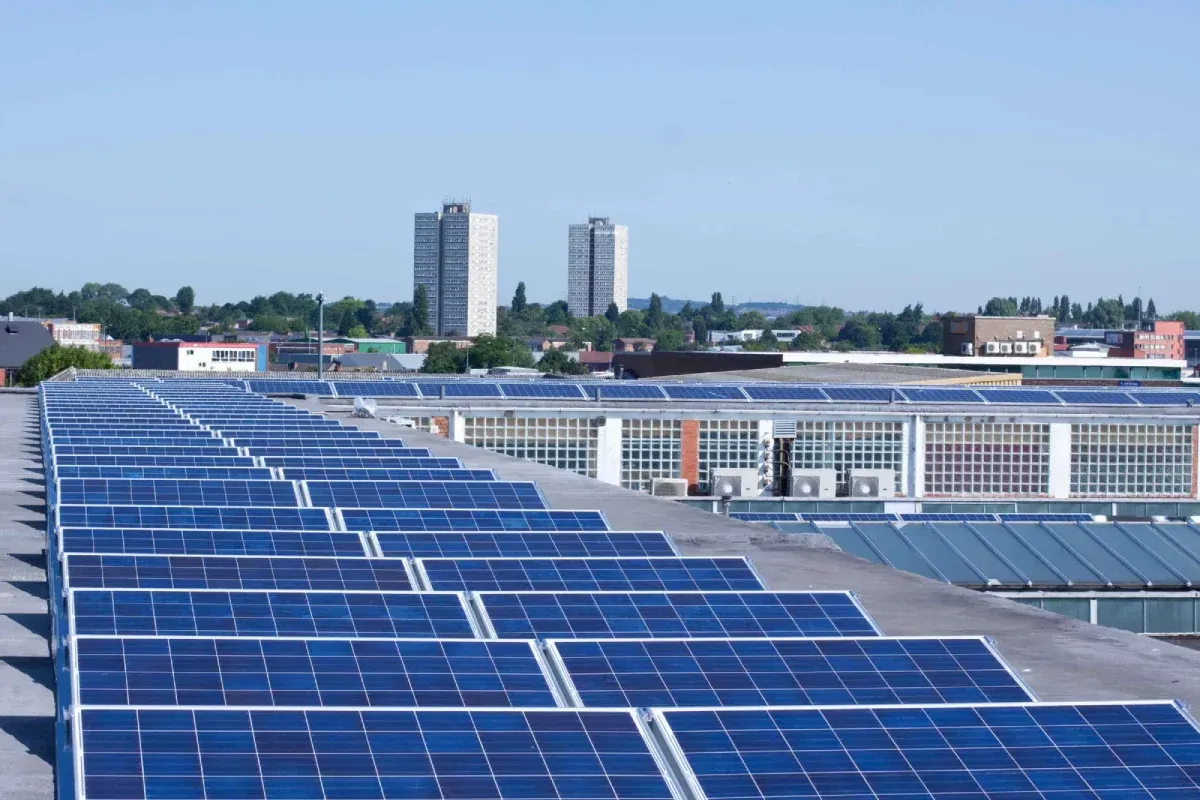
When business owners compare commercial solar quotes, the lowest number can look like the safest choice.
But cheap commercial solar bids are not always cheaper once the full project is built, inspected, interconnected, and operating.
A commercial solar installation is not just a set of panels on a roof. It is an energy project tied to your building, electrical service, utility account, roof condition, operations, and long-term power needs.
A low bid may be legitimate. It may also be incomplete.
The real question is not, “Which proposal costs less today?”
The better question is, “Which proposal gives the business the clearest, safest, and most complete path to long-term value?”
Bright Solar Power helps commercial customers look beyond the headline price. The goal is simple: understand the building, size the system carefully, review the real usage data, and avoid expensive surprises later.
What Cheap Commercial Solar Bids May Leave Out
A low proposal may look clean because important details are missing.
Some commercial solar proposal red flags include vague language, broad allowances, unclear equipment lists, or a scope that says little about engineering, permitting, monitoring, utility coordination, or project management.
That matters because the missing pieces do not disappear. They often show up later as change orders, delays, or performance issues.
A cheaper bid may not fully include:
Electrical upgrades
Structural review
Roof condition review
Utility interconnection work
Permit coordination
Monitoring setup
Production modeling
Detailed project management
Long-term support terms
Battery storage planning
Maintenance expectations
For a business, these gaps can affect more than the project budget.
They can affect operations, tenant coordination, facility access, installation timelines, and the ability to plan around power interruptions or roof work.
Why Site Assessment Matters for Commercial Properties
Commercial systems need a deeper site review than many small residential projects.
A warehouse, retail center, office building, church, industrial facility, or multi-tenant property may have a large roof, but that does not mean every part of the roof is ready for solar.
A proper review should look at roof age, roof material, available space, shade, HVAC units, vents, parapet walls, electrical rooms, panel capacity, meter setup, and utility requirements.
It should also review how the business actually uses power.
A proposal based only on rough estimates can lead to the wrong commercial solar system design. The system may be too small to make a meaningful impact or too large for how the business uses energy.
Bright Solar Power’s approach is built around education first. That means reviewing usage, asking the right questions, and determining whether solar makes sense before pushing a project forward.
That extra care may not create the lowest first bid, but it can protect the business from avoidable mistakes.
Equipment, Warranties, and Monitoring Are Not All Equal
Two business solar quotes can show the same system size and still deliver very different long-term results.
The difference may come from the panel model, inverter type, racking system, warranty terms, monitoring platform, or how the system is designed around the building.
A strong proposal should clearly explain:
Panel brand and model
Inverter type
Racking and attachment method
Product warranties
Workmanship coverage
Performance expectations
Monitoring access
Who handles support after installation
Monitoring is especially important for commercial properties.
If a system underperforms, your team needs a way to know. Without clear monitoring and support, a business may not catch production issues quickly.
A lower bid that leaves monitoring unclear can create a quiet performance problem later. The panels may be on the roof, but the business may not be getting the production it expected.
Hidden Costs From Electrical, Roof, or Permitting Issues
Some of the most expensive commercial solar problems start before installation begins.
A roof may need work before panels are installed. Electrical gear may need upgrades. Permitting may take longer than expected. Utility interconnection may require extra steps.
If these items are not reviewed early, the business may face delays after signing.
That can create pressure. At that point, the company has already selected a contractor, started planning, and may have told internal stakeholders that the project is moving forward.
This is where a vague low-cost bid can become expensive.
A more detailed proposal should explain what is included, what is excluded, and what conditions could change the price.
For example, it should be clear whether the contractor has accounted for roof coordination, electrical service limitations, permit requirements, and utility approval steps.
In areas served by Southern California Edison, businesses also need to understand how solar billing, exported energy credits, and rate plans may affect the project. A good contractor should not make vague promises about “free electricity.” The numbers should be explained with realistic assumptions.
How Poor Project Management Affects Businesses
A commercial solar project touches the daily rhythm of a business.
Crews may need access to the roof, electrical rooms, parking areas, storage yards, or tenant spaces. Work may need to be scheduled around operating hours, deliveries, customer traffic, or safety rules.
Poor project management can lead to:
Missed deadlines
Confusing communication
Unplanned downtime
Delayed inspections
Utility approval problems
Scope creep
Budget changes
Frustrated staff or tenants
This is why price should never be the only deciding factor.
A commercial solar contractor should explain how the project will be managed from consultation through design, permitting, installation, inspection, and utility approval.
For business owners and facility managers, clear communication is not a bonus. It is part of the value.
Commercial Solar Proposal Red Flags in Cheap Commercial Solar Bids
When reviewing cheap commercial solar bids, watch for signs that the proposal may be incomplete.
Be careful with any proposal that:
Does not list specific equipment
Uses broad production claims without explaining assumptions
Does not include enough detail about roof or electrical conditions
Leaves permitting and utility coordination unclear
Does not explain monitoring
Avoids warranty details
Makes aggressive savings promises
Pushes for a fast signature before review
Does not explain financing terms clearly
Does not identify possible exclusions
A good proposal should slow things down enough for the business to make a clear decision.
It should help you compare options, not corner you into one.
What to Compare Before Choosing a Commercial Solar Partner
Before choosing a commercial solar contractor, compare the full project, not just the price.
Review these items side by side:
System design: Is the system based on real usage data and actual site conditions?
Equipment: Are the panels, inverters, racking, and monitoring platform clearly listed?
Production assumptions: Are the numbers realistic, or do they depend on best-case conditions?
Roof and electrical scope: Are upgrades, repairs, or exclusions clearly explained?
Permitting and utility work: Who handles the paperwork, approvals, and interconnection steps?
Financing assumptions: Are cash, financing, or power purchase agreement options explained clearly?
Maintenance and support: What happens after the system is turned on?
Project management: Who communicates updates and keeps the work moving?
This kind of solar proposal comparison gives decision-makers a clearer view of total value.
The lowest price may still win, but only after the business confirms that the scope is complete.
Request a Detailed Commercial Solar Consultation From Bright Solar Power
Cheap commercial solar bids can look attractive at first. But if the proposal leaves out engineering, roof review, electrical needs, monitoring, or long-term support, the lower price may not stay low.
Bright Solar Power focuses on clear guidance, careful system sizing, vetted installation partners, and long-term support.
For commercial property owners, facility managers, and business operators, that means fewer unknowns before the project starts.
If your business is comparing commercial solar quotes, request a detailed commercial solar consultation from Bright Solar Power.
Get the information you need before choosing a bid, signing a contract, or moving your project forward.
FAQ: Commercial Solar Quotes and Low Bids
Why are some commercial solar bids much cheaper than others?
Some bids are cheaper because they use different equipment, smaller systems, simpler assumptions, or a more limited scope.
A lower bid may also leave out items such as electrical upgrades, roof coordination, monitoring, permitting complexity, or long-term support.
What should be included in a commercial solar proposal?
A strong commercial solar proposal should include system size, equipment details, production estimates, warranty terms, installation scope, permitting responsibilities, utility coordination, financing assumptions, monitoring, and support terms.
The more detailed the proposal is, the easier it is to compare.
Is the lowest commercial solar quote always a bad choice?
No. A low quote is not automatically bad.
The issue is whether the price reflects the full project. If the scope is clear, the equipment is strong, and the assumptions are realistic, a lower bid may still be a good option.
How can a business avoid hidden commercial solar costs?
Start with a detailed site assessment and ask for a clear written scope.
Review roof condition, electrical requirements, permitting, utility interconnection, monitoring, warranties, and exclusions before signing.
Most Solar Companies Disappear After the Sale. We Don't.
Going solar is a long-term investment, and you shouldn't have to navigate it alone. From understanding your system to maximizing your monthly savings, Bright Solar Power is with you for the long haul. Let’s build your custom energy plan.
Follow Us!
