
How to Tell if a Residential Solar System Is Being Oversized or Undersized in California
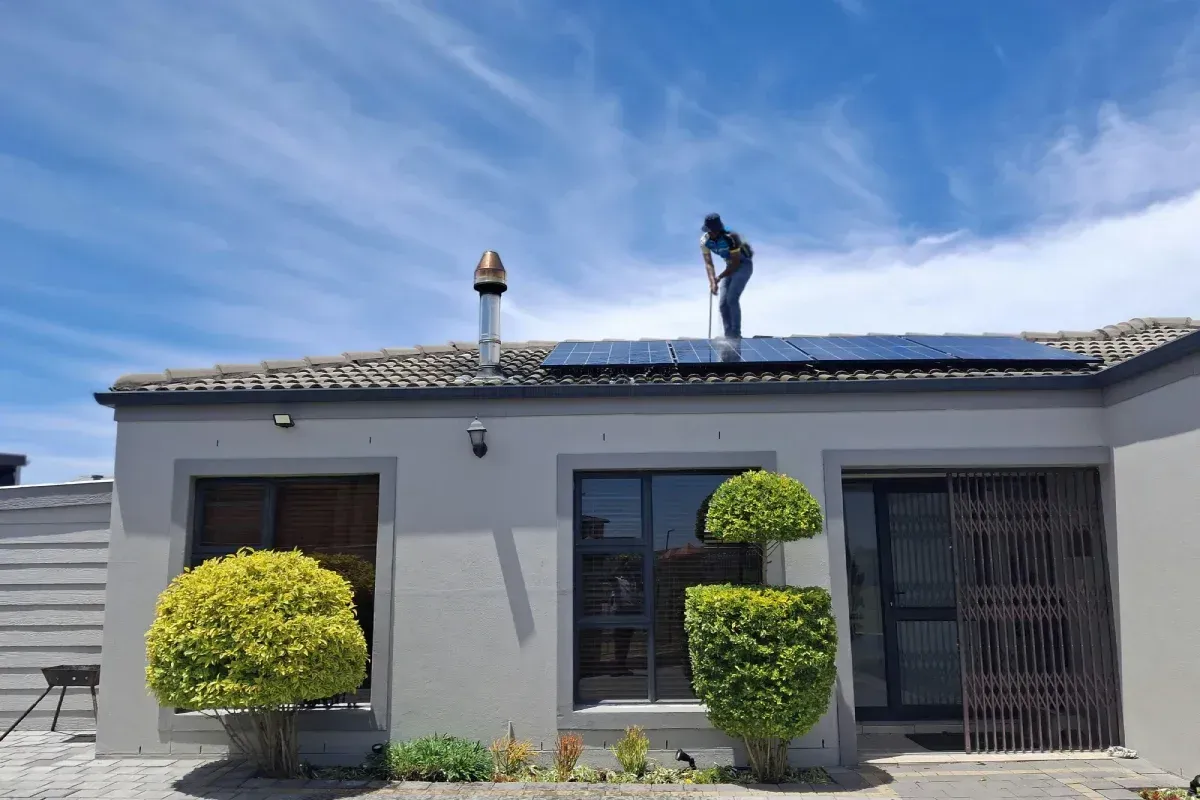
Solar quotes can be confusing.
One company may recommend 18 panels. Another may recommend 24. A third may talk mostly about batteries, backup power, and your utility rate plan.
So which proposal is actually right?
The answer depends on more than roof space. A properly designed system should match your real home energy usage, your roof conditions, your utility billing rules, and your future plans.
That is why comparing an oversized solar system California proposal against an undersized solar system California proposal takes more than looking at the lowest monthly payment or the biggest panel count.
A good solar design should feel like a tailored plan, not a solar piñata stuffed with random equipment.
What Proper Residential Solar System Sizing Should Include
A good solar system size starts with your real electricity use.
That usually means reviewing 12 months of energy usage, not just one high summer bill or one low winter bill.
Your solar proposal should consider:
Your annual kWh usage
Seasonal changes in air conditioning or heating
Roof space, roof direction, and roof condition
Shading from trees, chimneys, vents, or nearby buildings
Your utility rate plan
Your daytime and evening energy habits
Whether you plan to add battery storage
Future changes like an EV, pool, heat pump, home office, or room addition
This matters because solar panel sizing in California is not just about producing as much power as possible.
It is about producing power at the right time, storing power when needed, and reducing the amount of expensive grid energy your home pulls later.
Signs You May Have an Oversized Solar System California Homeowners Should Question
A solar system may be oversized if it produces much more energy than your home can reasonably use or store.
That does not mean a larger system is always bad.
Sometimes extra capacity makes sense. For example, you may plan to buy an electric vehicle, switch to electric appliances, add a pool, or install a battery that needs enough solar power to charge.
But oversizing can become a problem when the extra panels are added without a clear reason.
Watch for these warning signs:
The quote is based mostly on satellite images
The sales rep does not review your full usage history
The proposal assumes future energy use without asking about your plans
The system is much larger than other quotes with no clear explanation
The quote focuses on “maxing out the roof”
Battery storage is not discussed, even though the system creates lots of extra daytime power
The proposal does not explain how exported power is credited by your utility
An oversized system can cost more upfront.
It may also create extra solar production that does not deliver the same value as power used directly inside your home.
In California, that detail matters.
Signs a System May Be Undersized
An undersized system can create the opposite problem.
The proposal may look affordable at first, but your utility bill may stay higher than expected.
A system may be undersized if:
It only uses one or two electric bills to estimate your usage
It ignores high summer air conditioning months
It does not account for evening electricity use
It assumes your energy use will drop without a reason
It leaves out known future loads like an EV charger or heat pump
It gives you a low monthly payment but does not explain remaining utility costs
It does not show expected annual production
Smaller is not automatically cheaper if it leaves you paying for solar and still buying a large amount of power from the grid.
The goal is not simply to choose the smallest system.
The goal is to choose the system that makes sense for your home, budget, roof, and utility billing setup.
Why California Billing Rules Changed the Sizing Conversation
California solar billing rules have changed the way homeowners should think about solar system size.
Under current net billing rules, solar power used by your home is generally more valuable than extra power sent to the grid.
That means a quote should not only ask, “How many panels can fit?”
It should also ask, “When does this home use electricity?”
For many SCE customers, time-of-use billing can make evening power more expensive than midday power.
That is why self-consumption matters.
If your system makes a lot of power at noon but your home uses most of its energy from 4 p.m. to 9 p.m., your proposal should explain how that gap will be handled.
This is where battery planning becomes important.
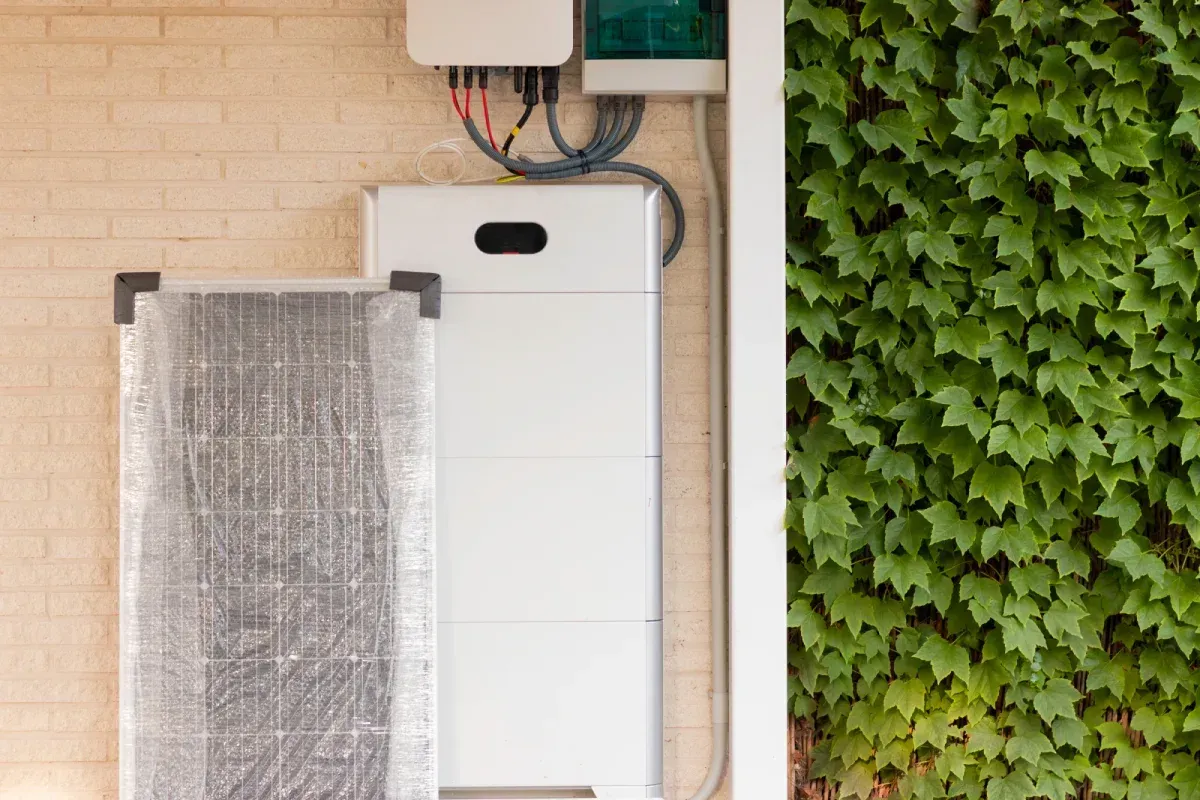
Why Battery Planning Matters
Solar battery sizing is now a major part of residential solar system sizing in California.
A battery can store extra daytime solar power so your home can use it later, often during higher-cost evening hours or during an outage.
But battery sizing should also be careful.
A battery that is too small may not support your evening usage goals.
A battery that is too large may add cost without enough daily charging or discharge value.
A good solar battery plan should consider:
How much power your home uses after sunset
Which appliances you want backed up
Whether you want essential backup or broader home backup
How much extra solar is needed to charge the battery
Your utility rate plan
Your budget and financing structure
Battery storage should not be treated as a random add-on.
It should be part of the system design from the beginning.
Be Careful With Rough Solar Quotes
Fast quotes are useful for a starting point.
But they should not be the final word.
A quote based only on satellite images or rough assumptions may miss important details. Roof condition, shading, electrical panel limits, usage changes, and battery needs can all affect the final design.
A strong solar quote review should explain the logic behind the system size.
You should understand why the proposal recommends that number of panels, that inverter setup, that battery size, and that estimated production.
If the answer is “because this is what fits,” ask more questions.
Questions to Ask Before Accepting a System Size
Before signing a solar proposal, ask:
Did you review 12 months of my electricity usage?
What annual production is this system expected to generate?
What percentage of my usage is the system designed to offset?
How does my utility rate plan affect the design?
How much power will I likely still buy from the grid?
How much power may be exported?
Would a battery improve the value of this system?
Are you accounting for future energy needs?
What happens if my usage increases?
What happens if my roof or shading limits production?
A good solar consultant should be able to answer these clearly.
If the explanation feels rushed, vague, or overly aggressive, slow down.
Get a Solar Plan Based on Your Actual Needs
Bright Solar Power takes a careful, education-first approach to solar design.
Instead of pushing the biggest system or the cheapest-looking quote, Bright Solar Power focuses on reviewing your real usage, your roof, your utility billing setup, and your long-term energy goals.
That is how homeowners avoid oversized systems, undersized systems, and confusing proposals that look good on paper but fall apart later.
If you are comparing multiple solar quotes, schedule a discovery call with Bright Solar Power.
You will get a clearer look at what size system actually fits your home, whether battery storage makes sense, and whether solar is worth moving forward with.
A properly sized system is not the biggest one.
It is not always the smallest one.
It is the one built around your home.
Solar Systems in California Oversized or Undersized FAQs
How do I know how many solar panels I need?
The best starting point is your last 12 months of electricity usage.
A solar company should also review your roof space, shading, utility rate plan, future energy needs, and whether you plan to add a battery.
Is an oversized solar system bad in California?
Not always.
An oversized system may make sense if you are adding an EV, heat pump, pool, or battery storage.
But if the system produces extra power you cannot use or store well, it may add cost without adding equal value.
What happens if my solar system is undersized?
An undersized system may reduce your utility bill but still leave you buying more grid power than expected.
This can be frustrating if the proposal made your monthly costs look lower than they really are.
Does SCE solar billing affect system size?
Yes.
For SCE customers, solar billing and time-of-use rates can affect how much value you get from solar production.
A good proposal should explain how your system handles daytime solar production, evening energy use, grid imports, and possible battery storage.
Most Solar Companies Disappear After the Sale. We Don't.
Going solar is a long-term investment, and you shouldn't have to navigate it alone. From understanding your system to maximizing your monthly savings, Bright Solar Power is with you for the long haul. Let’s build your custom energy plan.
Follow Us!
