
Common Roofing Issues That Can Ruin Your Solar Project
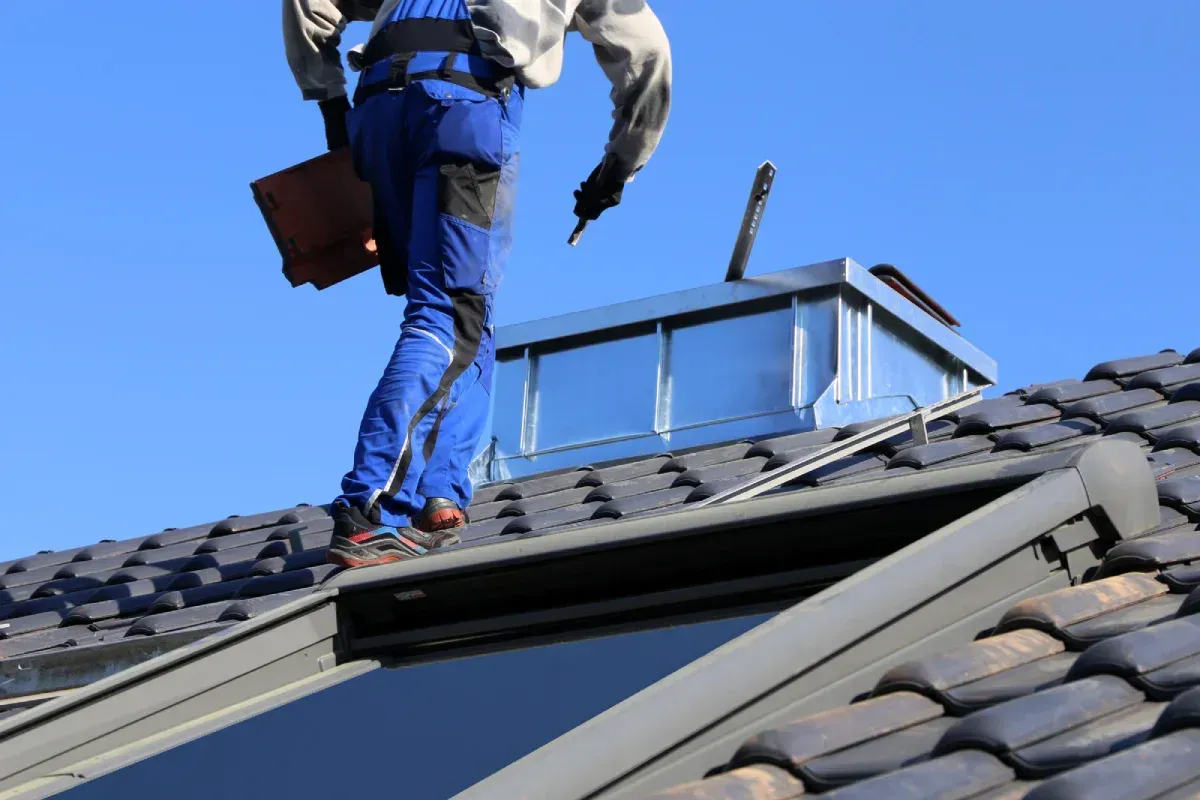
Solar panels can be a smart upgrade, but the roof underneath them has to be ready first. Many homeowners compare panel brands, financing, and savings before asking the practical question: is my roof in good enough shape for solar?
That is why checking roofing issues before solar matters. A quality solar installation should not damage a healthy roof.
Proper mounting and flashing are designed to protect the home. The risk comes from installing panels over hidden damage, worn materials, or a roof that should have been repaired first.
Bright Solar Power helps homeowners look at the full picture before moving forward, including energy use, roof condition, system design, and long-term value.
Solar should be a clean energy upgrade, not a roof problem hiding behind new panels.
Why the Roof Matters as Much as the Solar Panels
Solar panels are built for long-term performance. The roof below them needs to be ready for that same long-term commitment.
If the roof fails after installation, the panels may need to be removed, stored, and reinstalled before roofing work can be completed. That adds cost, delays, and coordination headaches. It can also interrupt the system’s energy production.
This does not mean every older roof needs replacement before solar. It means the roof should be checked before the final solar design is approved.
A solid roof helps the installer mount the system correctly, seal penetrations properly, protect the home from leaks, and avoid rework later.
Roofing Issues Before Solar: 5 Problems to Check
Issue #1: An Aging Roof Near the End of Its Life
One of the biggest roof problems solar panels can expose is simple age.
If your roof already has brittle shingles, cracked tiles, curling edges, heavy granule loss, or repeated patch jobs, adding panels may not be the right first step. Solar panels can sit on a roof for decades. If the roof only has a short amount of useful life left, it may need attention before installation.
This is especially important in hot, dry areas where sun exposure and temperature swings can wear down roofing materials.
A roof may look acceptable from the driveway but still have weak underlayment, aged flashing, or hidden wear under the surface.
Before approving the solar plan, ask whether your roof is expected to last long enough to support the system. If not, roof replacement before solar may be the more practical move.
Issue #2: Existing Leaks or Hidden Water Damage
Solar does not fix an existing leak. It can also make a leak harder to find later because panels and racking may limit access to the roof surface.
Warning signs include ceiling stains, soft decking, damp attic insulation, musty odors, recurring leak repairs, or water marks near vents, skylights, and roof valleys. Even a small leak should be checked before panels are installed.
A proper solar installation roof inspection should look for signs of moisture, not just open roof space. If water damage is already present, it should be addressed before the system is mounted.
Issue #3: Damaged Tiles, Shingles, or Underlayment
Solar installers need a stable, clean roof surface to work on. Broken tiles, loose shingles, worn underlayment, and soft roof decking all create risk during and after installation.
Tile roofs need careful handling because cracked or loose tiles can lead to water entry. Asphalt shingles need enough strength to hold up during the installation process. Flat and low-slope roofs need special attention to drainage, ponding water, membrane condition, and mounting methods.
The underlayment matters too. It is the backup layer that helps keep water out if the surface material fails. If that layer is weak, dry, torn, or compromised, solar may cover the problem instead of solving it.
Issue #4: Poor Flashing or Bad Roof Penetrations
Most rooftop solar systems require mounting points that connect into the roof structure. Those penetrations must be properly sealed and flashed.
When done correctly, the mounting system is designed to keep water out. When done poorly, roof penetrations can become a source of solar roof leaks. Problems often happen when installers rely too heavily on sealant, miss the roof framing, place mounts in weak areas, or use poor flashing details.
Roof valleys, vents, chimneys, skylights, and previous patch areas should be reviewed with care. These areas already manage water flow, so adding mounts too close to them can create unnecessary risk.
Issue #5: Structural or Layout Issues That Affect Solar Design
A good solar design is not only about how many panels can fit. It also depends on whether the roof can safely support the system and whether the layout makes sense.
Sagging areas, weak rafters, damaged decking, unpermitted additions, or unusual roof framing may require additional evaluation. Shade from trees, chimneys, nearby buildings, or roof obstructions can also affect panel placement.
Some roofs have limited usable space because of vents, skylights, fire setback rules, or roof planes facing the wrong direction.
A careful provider should adjust the design around these limits instead of forcing a system onto a roof that is not ready.
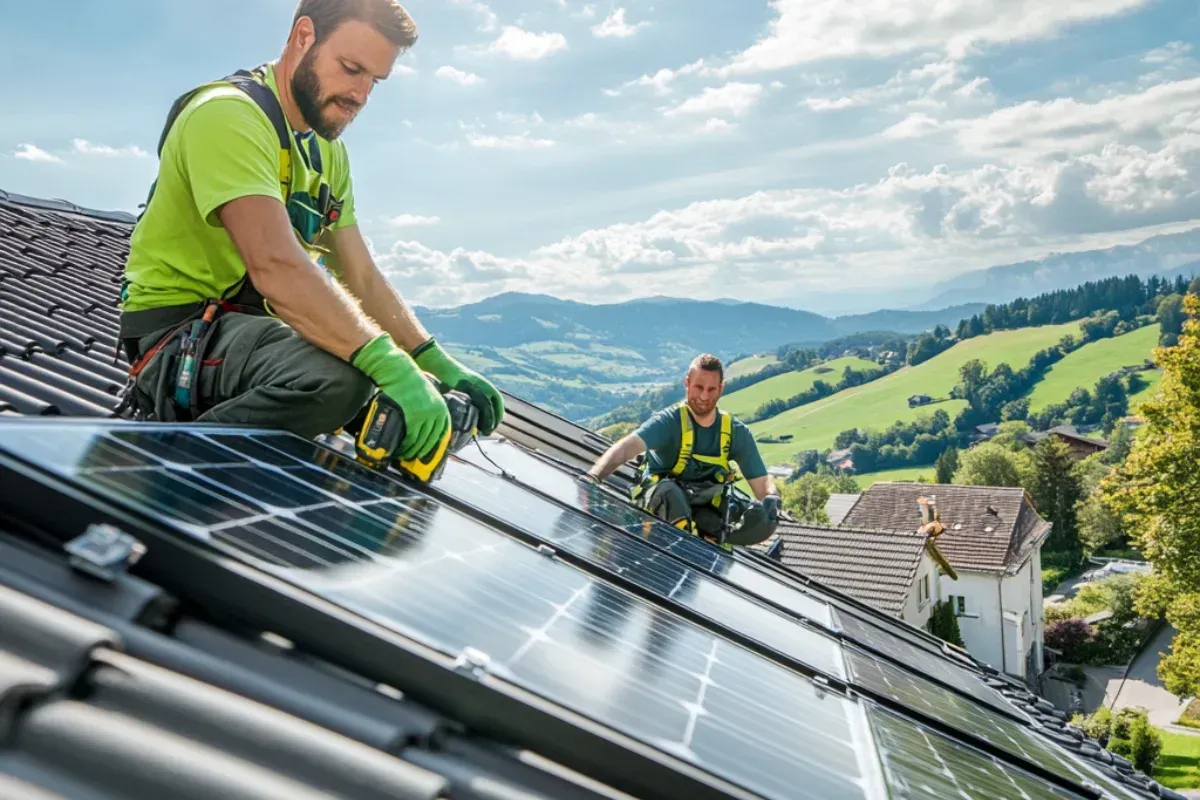
What Homeowners Should Ask Before Installing Solar
Before signing a solar agreement, ask direct questions:
Will my roof be inspected before the final design is approved?
How many years of useful life does the roof likely have left?
Are there damaged shingles, cracked tiles, soft decking, or underlayment concerns?
What type of flashing and mounting method will be used?
What happens if the roof needs replacement after panels are installed?
Will the system account for roof layout, shade, vents, and long-term access?
Bright Solar Power uses an education-first process to help homeowners understand whether solar makes sense before moving forward. The right system should be sized around real energy usage, installed by vetted professionals, and planned with the roof’s condition in mind.
Request a Solar-Ready Roof Assessment
The best time to solve roofing issues before solar is before the panels are installed. Once the system is mounted, roof work becomes more complicated and disruptive.
A good solar project should help protect your home for the long run. That starts with a roof that is ready for the system, a design that respects the structure, and an installer who understands that quality matters after the sale.
Request a solar-ready roof assessment or consultation from Bright Solar Power to review your options, ask the right questions, and determine whether your roof is ready for the next step.
Is Your Roof “Solar Ready”? FAQs
Do I need a roof inspection before installing solar panels?
Yes. A roof inspection before solar helps identify age, leaks, weak materials, structural concerns, and areas that may need repair before panels are installed.
Should I replace my roof before solar?
You may need roof replacement before solar if the roof is near the end of its life, has recurring leaks, or has widespread damage. If the roof is still in good condition, replacement may not be necessary.
Can solar panels cause roof leaks?
Solar panels do not automatically cause roof leaks. Leaks are usually tied to poor installation, weak flashing, bad penetrations, old roofing materials, or existing roof damage that was not addressed first.
Most Solar Companies Disappear After the Sale. We Don't.
Going solar is a long-term investment, and you shouldn't have to navigate it alone. From understanding your system to maximizing your monthly savings, Bright Solar Power is with you for the long haul. Let’s build your custom energy plan.
Follow Us!
