
Is Solar Worth It in Victorville, CA?

If you are asking, “is solar worth it in Victorville CA?” the honest answer is: it can be, but only when the system is designed around your real home, real usage, and real SCE billing rules.
Victorville, CA has several things working in solar’s favor. Summer air conditioning can drive up electricity use, and the area gets strong sunlight.
But solar is not magic. A poor roof, too much shade, low electric usage, bad financing, or a system that ignores evening energy habits can turn a good idea into a frustrating one.
For many homeowners, the question is no longer just, “Should I get solar panels?” It is, “What solar design actually makes sense under today’s rules?”
That is where a careful review matters.
Why Victorville Is Different From Many California Solar Markets
Victorville sits in the High Desert region of Southern California, and the City describes it as a leading city for industry and retail in the High Desert.
That local setting matters.
Homes in Victorville often deal with long, hot stretches where air conditioning runs heavily. Larger single-family homes, growing families, pool equipment, EV charging, and work-from-home schedules can all increase electricity use.
Solar panels in Victorville CA may be attractive because the region gets strong sun exposure. Solar production depends on local sunlight, roof direction, shade, and system design. The U.S. Energy Information Administration notes that solar resources vary by location, time of day, climate, and shading, with arid regions generally receiving higher solar resource levels.
So yes, Victorville has a strong solar case on paper.
But the final answer depends on the home.
A south- or west-facing roof with limited shade, strong structure, and higher daytime energy use may be a better fit than a shaded roof with low electric bills and an aging surface that needs replacement soon.
How SCE Rates and Solar Billing Affect the Decision
For homeowners in SCE territory, the solar decision changed after California moved to the Solar Billing Plan.
SCE says the Solar Billing Plan applies to eligible renewable generation customers who applied for interconnection after April 14, 2023, and it replaced the older NEM 2.0 program. Under this plan, customers are billed for energy used from the grid and receive credits for energy exported to the grid.
That means solar savings in Victorville depend heavily on when your home uses power.
Under older solar billing rules, exporting excess power during the day was often more financially simple. Under current rules, exported electricity is credited based on Energy Export Credit values that vary by hour.
This is why the “biggest system possible” is not always the smartest system.
A good residential solar Victorville CA design should look at:
Your last 12 months of electric usage
When your home uses the most power
Summer cooling patterns
Evening use after sunset
Roof direction and shade
Whether a battery makes sense
Whether your roof should be replaced before solar
SCE also says Solar Billing Plan residential customers are transitioned to the TOU-D-PRIME rate, and that rate has highest pricing from 4 p.m. to 9 p.m.
That timing matters because many Victorville families use more electricity in the evening, right when solar panels are producing less or no power.
When Solar May Be Worth It for Victorville Homeowners
Solar may be worth it if your home has higher electric bills, good sun exposure, and enough usable roof space.
It may also make sense if your household uses a lot of power during hot months. Air conditioning can be one of the biggest drivers of summer electric costs in the High Desert. If your usage is consistent and your roof is a good fit, solar can help offset part of what you would otherwise buy from the utility.
Solar may also be worth reviewing if you plan to stay in the home long enough to benefit from the system.
That does not mean you need to stay forever. It simply means your financing, ownership plan, and expected timeline should be reviewed before signing anything.
Bright Solar Power approaches this by reviewing actual energy history instead of guessing from one bill. That matters because a single spring or fall bill may not show the full summer cooling load in Victorville.
The best solar plan is not the flashiest plan.
It is the one that matches your usage, roof, budget, and billing situation.
When Solar May Not Be the Best Fit
Solar is not automatically right for every Victorville home.
It may not be the best fit if your electric bill is already low, your roof has major shade, your roof needs replacement soon, or your home does not have enough usable space for panels.
It may also be a poor fit if the numbers only work because of exaggerated savings claims.
Be careful with any proposal that promises exact savings without reviewing your SCE usage data. Also be cautious if the proposal ignores battery storage, evening use, or roof condition.
Financing matters too.
A system can produce power and still feel disappointing if the monthly payment does not fit your budget. Homeowners should compare cash purchase, financing, and solar-as-a-service options carefully.
For 2026 projects, do not assume old federal solar tax credit rules still apply. The IRS states the Residential Clean Energy Credit is not available for property placed in service after December 31, 2025.
Because incentive rules can change, homeowners should confirm eligibility with Bright Solar Power, SCE, a tax professional, or the relevant program provider before making a decision.
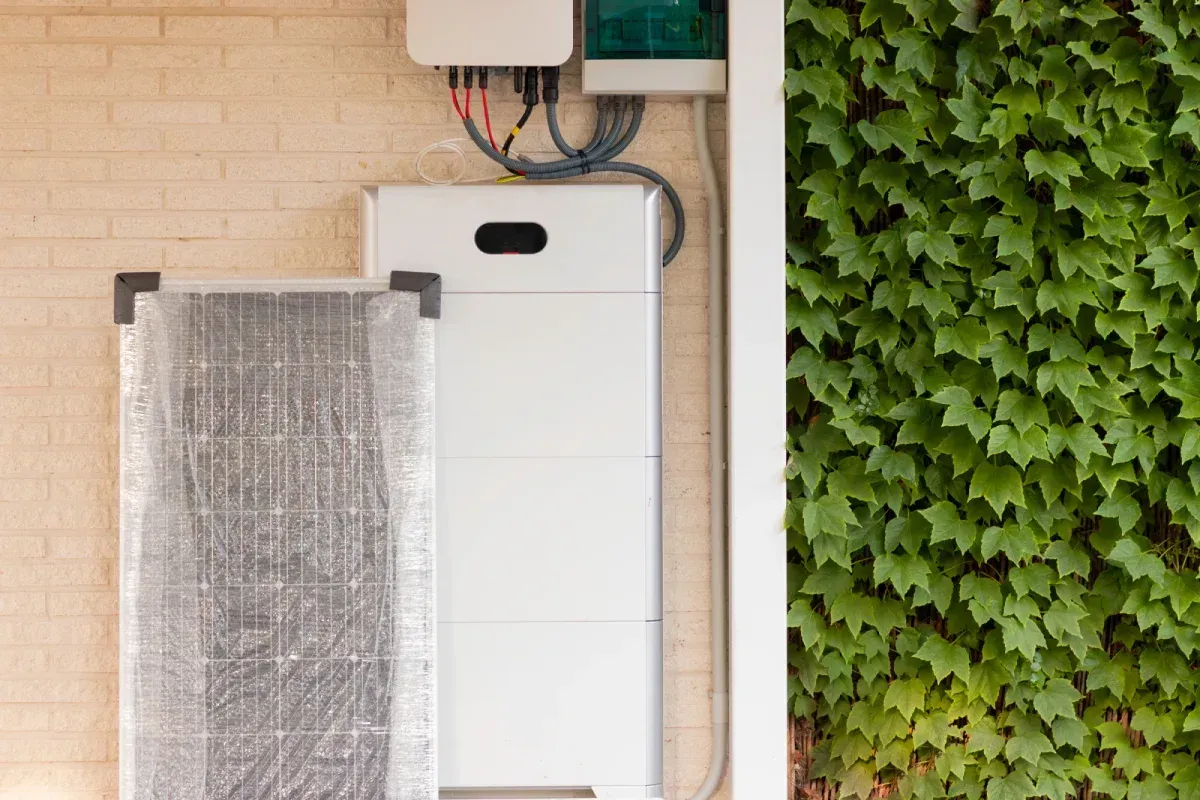
Why Battery Storage Is Part of the Conversation Now
Battery storage is more important under today’s SCE solar billing rules.
Without a battery, extra solar energy produced during the day may be exported to the grid. Under the Solar Billing Plan, the value of that exported energy can vary by hour. With a battery, some of that daytime solar energy may be stored and used later, such as during the 4 p.m. to 9 p.m. peak window.
That does not mean every homeowner must buy a battery.
It means every homeowner should at least review the battery option.
A battery may be more useful if:
You use a lot of power in the evening
You want backup power during outages
You are on a time-of-use rate
You want to use more of your own solar energy at home
Your home has higher summer cooling demand
Battery storage Victorville discussions should include both savings potential and backup expectations. Some battery systems back up only selected loads, while others may support more of the home. The design should be explained clearly before installation.
What to Ask Before Deciding
Before deciding if solar is worth it, ask these questions:
How much electricity did my home use over the last 12 months?
A full-year review is better than one bill.
What happens to my bill under SCE solar billing?
Make sure the proposal explains imports, exports, time-of-use rates, and remaining utility charges.
Is my roof ready for solar?
If the roof is near the end of its life, it may be smarter to address roofing first.
Should I include a battery?
Ask for a side-by-side review with and without battery storage.
What happens if solar does not make sense for my home?
A trustworthy solar company should be willing to say no when the numbers do not support the project.
So, Is Solar Worth It in Victorville CA?
For many homeowners, is solar worth it in Victorville CA has a clear answer: yes, it can be worth it when the system is properly designed and the financial review is honest.
Victorville’s High Desert sunlight, hot summers, and SCE rate structure can make solar worth exploring. But the best results come from accurate sizing, careful roof review, realistic billing expectations, and a clear look at battery storage.
Bright Solar Power helps homeowners review solar without pressure. The goal is not to force solar onto every house. The goal is to find out whether solar makes financial and practical sense for your home.
If you want a clear answer, request a custom solar review from Bright Solar Power. Bring your SCE usage history, questions, and concerns. A good solar decision should feel informed, not rushed.
FAQs
Is solar still worth it in Victorville under current SCE rules?
Yes, solar can still be worth it for many Victorville homeowners, but the design matters more now. SCE solar billing, time-of-use rates, evening usage, and battery storage should all be reviewed before deciding.
Do I need a battery with solar panels in Victorville?
Not always. A battery may help if you use a lot of power in the evening, want backup power, or want to store daytime solar energy for later use. The right answer depends on your usage and budget.
What makes a Victorville home a good fit for solar?
A good solar fit usually has strong sun exposure, limited roof shade, enough usable roof space, higher electricity usage, and a roof in solid condition. Homes with very low bills or heavy shade may not benefit as much.
Should I replace my roof before installing solar?
If your roof is old or damaged, it may be better to handle roofing before solar. Removing and reinstalling panels later can add cost, so roof condition should be checked during the solar review.
Most Solar Companies Disappear After the Sale. We Don't.
Going solar is a long-term investment, and you shouldn't have to navigate it alone. From understanding your system to maximizing your monthly savings, Bright Solar Power is with you for the long haul. Let’s build your custom energy plan.
Follow Us!
